Turn over any bottle of water-based lubricant and you will find a short list of chemical-sounding names in tiny print. Most buyers ignore it. That is a shame, because the label tells you almost everything: how slippery it will feel, how long it will last, whether it may suit sensitive skin and how long it stays good once opened.
This guide takes the mystery out of it. We go through what water-based lube actually is, every common ingredient and the job it does, and how to read a label in under a minute. If you only want the list of things to be careful with, see our separate page on lube ingredients to avoid.
What is water-based lubricant?
A water-based lubricant is a gel or liquid that is mostly water, thickened so it stays where you put it, with a few helpers to keep it slippery and stop it going off. It is the most widely recommended type because it is safe with latex condoms and with every toy material, including silicone, and it washes off with plain water. You can compare it with the other main types in our water-based vs silicone lubricant guide.
A typical water-based lube, ingredient by ingredient
Labels list ingredients from the largest amount to the smallest, usually by their international (INCI) names. Here is what you are most likely to see, grouped by the job each ingredient does.
| Group | Common label names | What it does |
|---|---|---|
| Base | Aqua / Water | The main ingredient, often 70 to 90 per cent of the bottle |
| Humectants | Glycerin, Propylene Glycol, Propanediol | Hold on to moisture so the lube stays slippery longer |
| Thickeners | Hydroxyethylcellulose, Carbomer, Xanthan Gum | Turn water into a gel that does not run off |
| pH adjusters | Lactic Acid, Citric Acid, Sodium Hydroxide | Set the acidity so it is closer to the body’s own |
| Preservatives | Sodium Benzoate, Potassium Sorbate, Phenoxyethanol, Parabens | Stop bacteria and mould growing once the bottle is opened |
| Extras | Aloe Barbadensis, Sodium Hyaluronate, Panthenol, flavours | Feel, soothing claims, taste or warmth; optional |
Water: the base
Water is what makes water-based lube feel natural and clean up easily. It is also why the lube eventually dries out during use: the water evaporates or is absorbed by the skin. That is normal. A few drops of water or a little more lube brings it back.
Humectants: why some lubes stay slippery longer
Glycerin and glycols attract moisture, so they slow down drying. They also give a slightly sweet taste, which is why they turn up in flavoured lubes. The trade-off: in large amounts they make a lube very “concentrated” compared with the body’s own fluids. Some people, especially those prone to yeast infections or irritation, find glycerin-free formulas more comfortable. If that is you, look for lubes that list propanediol or no humectant near the top.
Thickeners: the gel versus liquid choice
Cellulose-based thickeners (hydroxyethylcellulose is the most common) give a smooth, body-like glide. Carbomer gives a clearer, firmer gel, and xanthan gum is a plant-derived option. None of these is better in every case. Thinner lubes feel natural for everyday intimacy; thicker gels stay in place better with toys and for anal play, where the body makes no natural lubrication.
pH and osmolality: the two numbers worth knowing
Good brands increasingly mention two technical values on the box or website:
- pH. The vagina is naturally acidic, at roughly 3.8 to 4.5. A lube in a similar range is generally a better match for vaginal use. Lubes made for anal use are usually closer to neutral.
- Osmolality. This measures how concentrated the lube is compared with body fluids. Very high values can draw water out of delicate tissue. A WHO, UNFPA and FHI 360 advisory note on personal lubricants recommends keeping osmolality ideally below 1,200 mOsm/kg.
Many products in India do not print either number. That does not make them unsafe, but if you have sensitive skin, a brand that publishes them is easier to trust.
Preservatives: necessary, but choose gently
Anything made mostly of water needs a preservative, otherwise bacteria and mould grow once the bottle is open. Sodium benzoate and potassium sorbate are mild, widely used choices. Phenoxyethanol and parabens are also permitted in cosmetics, though some people prefer to avoid them. A lube with no preservative at all will usually come in single-use sachets or carry a short “use within” period.
How to read a lube label in under a minute
- Check the type. “Water-based” should be clear on the front.
- Read the first five ingredients. They make up most of the bottle. Water first is a good sign.
- Look for glycerin’s position. Near the top means a sweeter, longer-lasting but more concentrated lube; further down, or absent, suits sensitive skin.
- Scan for warming, cooling or numbing words. Menthol, capsicum and benzocaine-type ingredients can surprise you. Skip them for a first lube.
- Find the expiry and “period after opening” symbol (a small open jar marked, for example, 12M).
- Patch test. Put a little on your inner arm and wait a few hours before intimate use.
Our complete lube guide covers which type suits which situation, and how to use lube covers the practical part.
Lubricant or massage oil?
People sometimes shop for “lubricants and massage oils” together. They are different products. Massage oils are made for skin and for a slow, relaxing massage; most are not designed for intimate use and oil can weaken latex condoms. A water-based lube is the safe choice for intimate areas, condoms and toys. Our guide to massage oil vs lubricant explains when to use which, and why we suggest skipping coconut oil as lube with condoms.
Storage in Indian weather
Heat and sunlight break down preservatives faster. Keep the bottle closed, out of the bathroom window and away from a hot car dashboard in summer. If a lube changes colour, smell or texture, or has passed its date, throw it away. In humid cities the “period after opening” matters more than the printed expiry.
Water-based lubes we stock
 Secret PlayAfrodita Spray Perfume Caramel Aroma Travel Size₹1,399View product
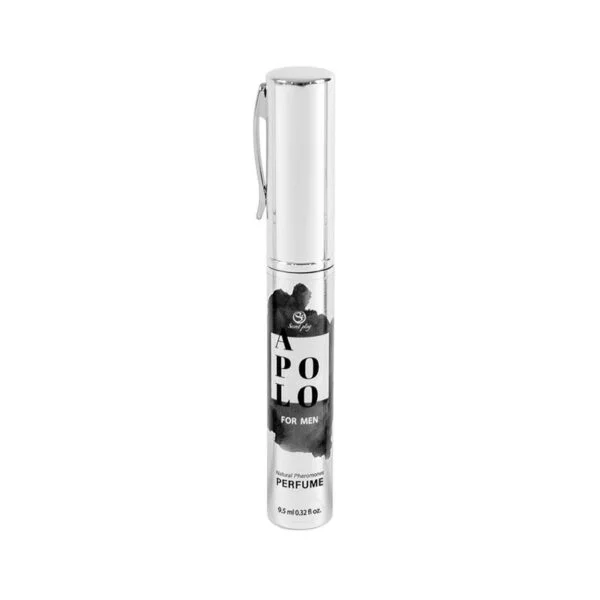 Secret PlayApolo Spray Perfume Woody notes Travel Size₹1,399View product
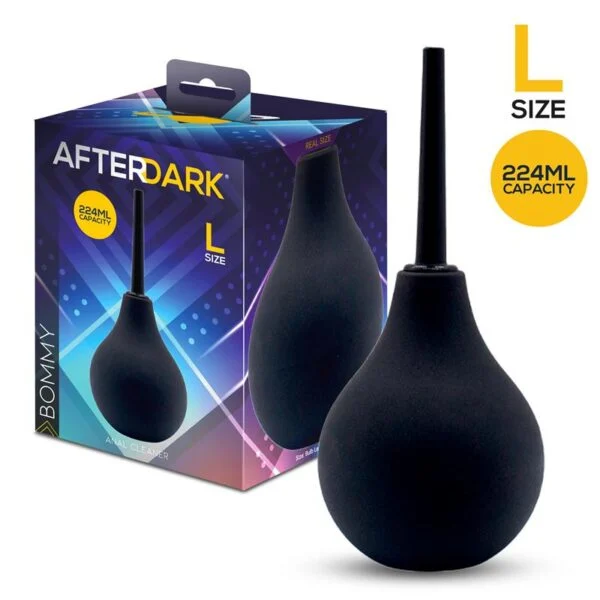 AfterdarkBommy Anal Cleaner Silicone Size L 224 ml₹599View product
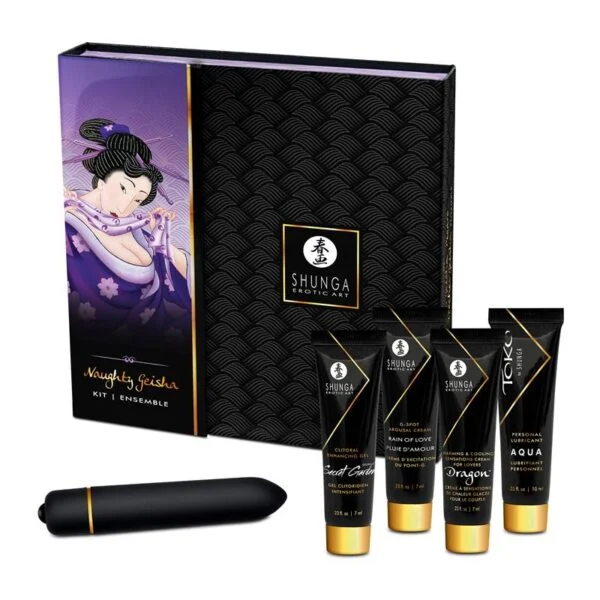 ShungaGeisha Secrets Kit Coquine₹3,699View product
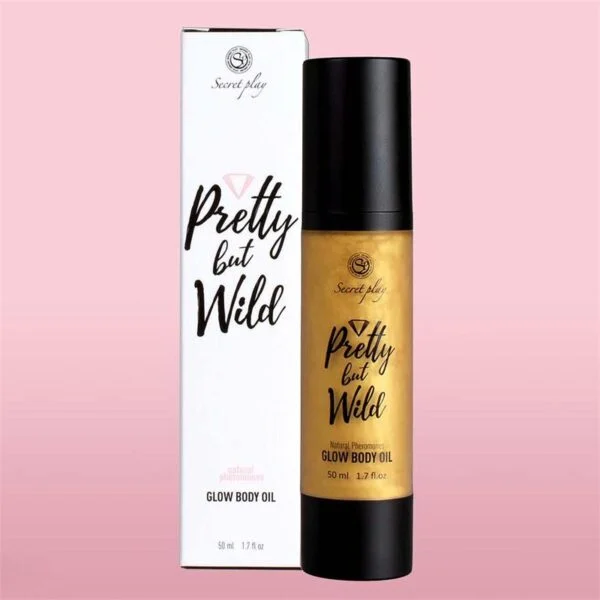 Secret PlayGlow Body Oil₹3,299View product
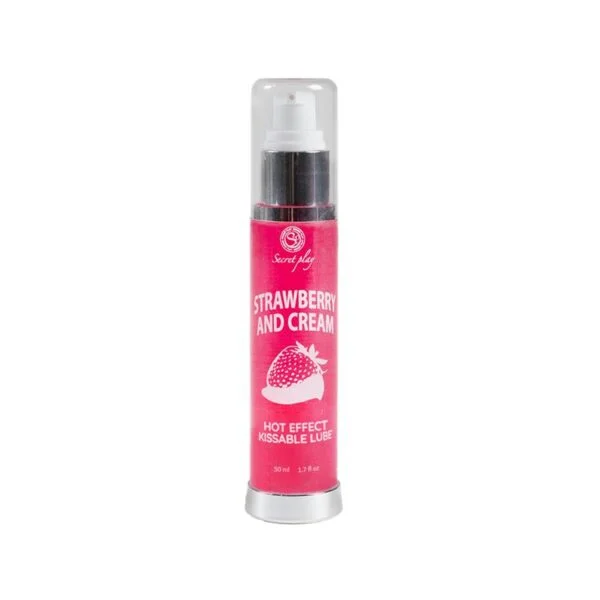 Secret PlayHot Effect Strawberry with Cream Lubricant 50 ml₹1,299View product
 ShungaKit Fruity Kisses₹4,999View product
 LELOLELO F1L Water-Based Moisturiser 100 ml₹2,799View product
Every order ships from India in plain packaging with cash on delivery available. See our lubricant price guide or browse the full lubes and intimate care range, and our overview of sex toys in India.
Frequently asked questions
What is water-based lube made of?
Mostly water, plus a humectant such as glycerin or propanediol to keep it slippery, a thickener such as hydroxyethylcellulose to make a gel, a pH adjuster and a preservative. Some add aloe, hyaluronic acid or flavours.
Is glycerin in lube bad?
Not for everyone. Glycerin helps lube stay slippery, but some people prone to yeast infections or irritation find glycerin-free formulas more comfortable. If irritation keeps happening, stop using the product and see a doctor.
Is water-based lube safe with condoms and toys?
Yes. Water-based lube is safe with latex and non-latex condoms and with every toy material, including silicone.
How long does water-based lube last once opened?
Check the open-jar symbol on the pack, often 6 to 12 months. Store it closed and away from heat, and throw it away if it changes colour, smell or texture.