Many couples reach a point where intimacy starts to feel like a test. Will it happen tonight? Will it go well? Who is in the mood? Once sex becomes something to perform, the body often tenses up, and the very closeness you wanted feels further away.
Sensate focus is one of the oldest and simplest ways therapists help couples step out of that loop. It is a series of touching exercises, done in stages, where the only goal is to notice what you feel. There is nothing to achieve and no finish line. This guide explains where it comes from, how to do it at home, and how to fit it into a busy Indian household.
What sensate focus is
The method was developed by the American sex researchers William Masters and Virginia Johnson and described in their 1970 work on sexual difficulties. You can read a short overview of its history on Wikipedia. Sex therapists still use versions of it today, often for couples dealing with anxiety, mismatched desire or a long gap in intimacy.
The idea is simple. You take turns touching each other slowly, with clear rules about what is off-limits at each stage. Because intercourse is not allowed in the early stages, nobody has to worry about where it is going. That removes pressure, and without pressure, attention can move back to the skin.
Who it can help
- Couples who feel distant after a baby, a stressful year or a long-distance stretch.
- Partners with mismatched libidos who want a way to be close that does not always lead to sex.
- Anyone who feels anxious or “watched” during intimacy and finds it hard to relax.
- Newly married couples who want to learn each other’s bodies slowly.
It is a gentle exercise, not a medical treatment. If there is pain during sex, erection difficulties that do not settle, or past trauma, please see a doctor, gynaecologist or a qualified sex therapist. Sensate focus often works best with their guidance.
Before you begin: three ground rules
- Agree that nothing has to happen. Say it out loud. The session ends when the timer ends, not when someone is aroused.
- Either of you can stop at any time. A simple word or a hand on the arm is enough, with no questions asked.
- Talk afterwards, not during. Keep the session quiet. Share what you noticed later, without judging.
The four stages, step by step
Most couples spend at least a few sessions on each stage before moving on. There is no prize for speed. Plan for two or three sessions a week of 20 to 30 minutes each.
| Stage | What you do | Off-limits | What to notice |
|---|---|---|---|
| 1. Non-genital touch | Take turns being the giver for 10–15 minutes each: back, arms, legs, face, hair | Breasts, genitals, intercourse | Temperature, texture, pressure; what feels pleasant or neutral |
| 2. Adding the whole body | Same as stage 1, now including breasts and genitals as part of the whole body, not the focus | Intercourse and aiming for orgasm | How the same touch feels on different areas |
| 3. Mutual touch | Both touch at the same time; the receiver can guide the giver’s hand | Intercourse | Showing, not telling, what you like |
| 4. Bringing it together | Intercourse can be included if both want it, at the same slow pace | Rushing or performing | Staying with sensations instead of the goal |
If either partner feels anxious at a stage, go back one step. Going back is part of the method, not a failure.
Common mistakes to avoid
- Skipping ahead. Jumping to stage 4 after one good evening brings the pressure straight back.
- Touching to please. The giver touches for their own curiosity, not to “do it right” for the other person.
- Scoring the session. There is no good or bad session. A distracted evening still counts.
- Doing it when exhausted. A session at midnight after a long day often ends in sleep. Choose a calmer night, even if it is only once a week at first.
Making it work in a shared home
Indian couples rarely have an empty house on a weeknight. That is fine; sensate focus does not need much. A locked bedroom door, a fan or soft music to cover small sounds, and 30 minutes after the household is asleep is enough. If space is tight, see our guide to privacy for couples in a joint family.
Set the room so it feels different from an ordinary night: a clean sheet, a warm room, the phone in another corner. Some couples like a massage oil or candle for stages 1 and 2, because it slows the hands down. Just keep oils away from condoms and toys; our guide to massage oil vs lubricant explains why.
A few things couples often use
You need nothing but your hands. Still, a small kit can make it feel like a ritual. The Island Blossoms massage candle (₹2,199) melts into a warm oil, and the Cronomasutra couples game (₹499) is a light way to talk afterwards. Later stages sometimes include a toy for both partners; our ideas for sex toys for couples is a good place to start.
 Pretty LoveAdrien Penis Ring₹1,499View product
 Secret PlayAfrodita Spray Perfume Caramel Aroma Travel Size₹1,399View product
 Secret PlayApolo Spray Perfume Woody notes Travel Size₹1,399View product
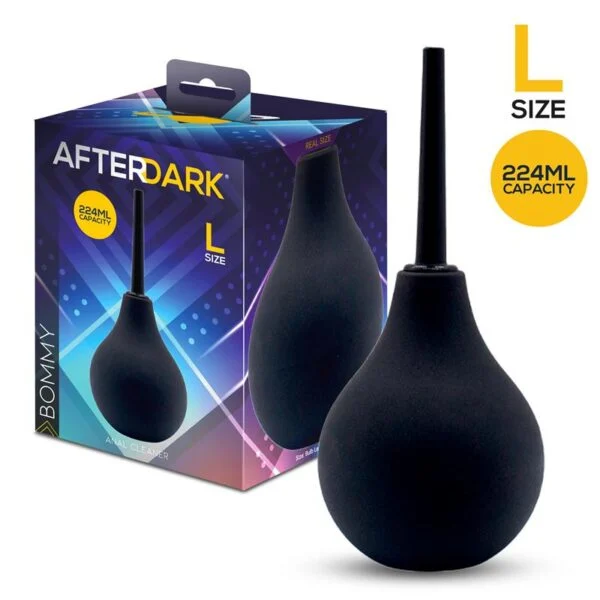 AfterdarkBommy Anal Cleaner Silicone Size L 224 ml₹599View product
 Crazy BullBrodan Cock Ring Silicone Mod 9₹599View product
 Crazy BullClauzell Cock Ring Silicone Mod 10₹599View product
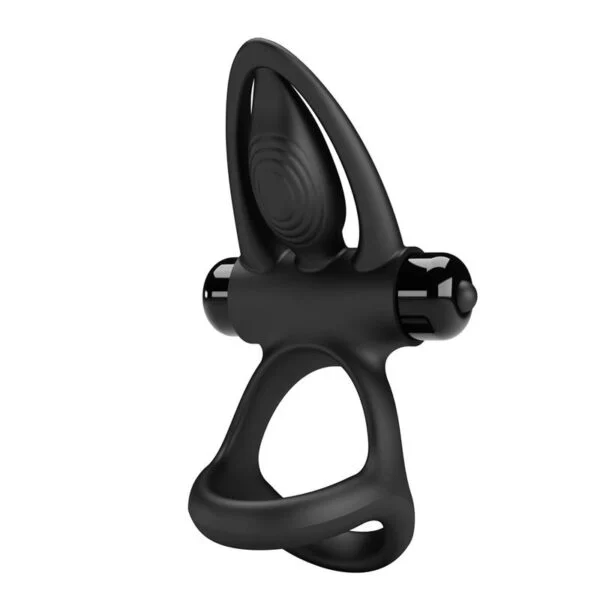 Pretty LoveCock Ring with Vibration₹1,599View product
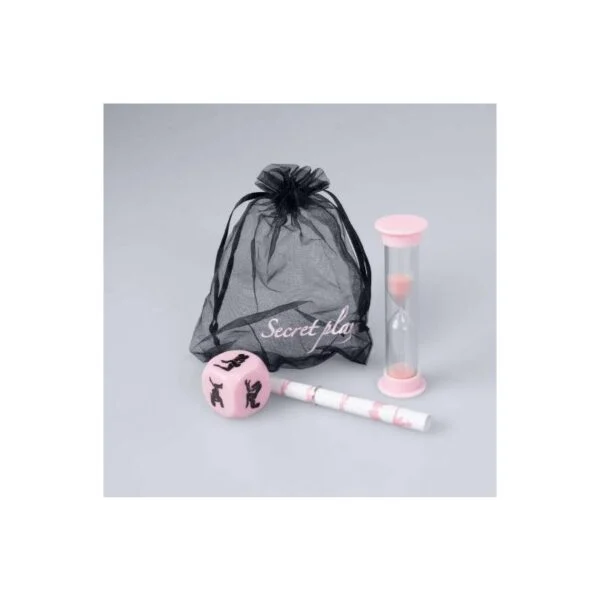 Secret PlayCouples Game Cronomasutra Heterosexual₹499View product
All sex toys in India from LustSutra ship in a plain box with no product names on the label, and you can pay on delivery.
What to talk about afterwards
Keep it short and kind. Each of you can answer three questions: one touch that felt good, one moment you got distracted, and one thing you would like more of next time. Avoid “you did it wrong”. If talking about this feels awkward, our guide on how to talk about sex with your partner has simple scripts.
Many couples also find that the closeness lasts beyond the bedroom: more hugging in the kitchen, more hand-holding on walks. That is a good sign. If one of you is touch-starved, our piece on touch hunger explains why small daily touch matters.
Frequently asked questions
How long does sensate focus take?
There is no fixed timeline. Many couples spend one to two weeks on each stage, with two or three sessions a week of 20 to 30 minutes.
What if one of us gets aroused in stage 1?
That is fine and normal. Simply notice it and carry on with the exercise. The rule is only that you do not act on it until a later stage.
Can we do sensate focus without a therapist?
Yes, many couples try it on their own. If there is pain, a medical issue or past trauma, a doctor or a qualified sex therapist can guide you safely.
Is sensate focus only for couples with problems?
No. It is also a good way for any couple to slow down, learn each other’s preferences and feel closer, even when nothing is wrong.