
One partner reaches across the bed; the other is already half asleep, thinking about tomorrow’s meeting. If this sounds familiar, you are in very good company. Differences in desire are one of the most common things couples deal with, whether they have been married six months or sixteen years.
A mismatch is not a sign that the love is gone, or that one of you is “broken”. It is a difference, like one of you liking the AC at 18 degrees and the other at 26. Differences can be negotiated.
Why desire levels differ
Desire is not a fixed setting. It moves with life:
- Stress and workload. Long commutes, office pressure and money worries all compete for the same energy.
- Sleep. Tired bodies rarely feel playful. New parents know this better than anyone.
- Privacy. Living with parents or in-laws can make it hard to relax, even when you want to.
- Health and medicines. Some medicines, hormonal changes and health conditions affect libido.
- Relationship mood. Unresolved arguments, feeling unappreciated or carrying most of the household load can quietly switch desire off.
- How desire starts. For some people desire arrives on its own. For many others it appears only once they are relaxed, close and already being touched. Neither style is wrong, but couples often misread the second as “not interested”.
Start with the conversation, not the bedroom
The worst time to talk about this is right after a “no”. Feelings are raw, and it becomes about rejection. Choose a calm moment: a walk, a drive, chai on a Sunday morning.
A few lines that tend to help:
- “I love being close to you, and I’ve noticed we want it at different times. Can we figure it out together?”
- “When you say no, I sometimes feel unwanted. I know that’s not what you mean. What’s going on for you?”
- “I want to want it more. What would make it easier for me to relax?”
Avoid counting, comparing with friends or treating sex as something one partner owes the other. The goal is to understand each other, not to win.
Think “menu”, not “yes or no”
Many couples get stuck because the only options seem to be full intimacy or nothing. A wider menu takes the pressure off both sides.
| Energy level | Ideas |
|---|---|
| Very low | Cuddling, holding hands while you talk, falling asleep close |
| Low | A slow massage, a shower together, kissing with no expectation of more |
| Medium | Being close and seeing where it goes, with an easy “let’s stop here” allowed |
| High | A planned evening, something new, a toy you both chose |
Agreeing that any option can stop at any point is what makes this work. When “yes to a cuddle” no longer means “yes to everything”, the lower-desire partner often feels freer to say yes more often.
What the higher-desire partner can try
- Hear “no” as “not now”. Respond with warmth, not sulking. It makes the next time far more likely.
- Look at the load. Taking over dinner, the dishes or the kids’ homework can be more romantic than any gift.
- Build closeness outside the bedroom. Texts during the day, compliments, time without phones.
- Remember solo time is fine. It is a normal way to handle a difference, not a betrayal.
What the lower-desire partner can try
- Notice what helps you relax. A bath, a clean room, the door locked, the kids asleep. Tell your partner.
- Offer an alternative. “Not tonight, but I’d love a massage” keeps you connected.
- Give yourself permission to start slow. If your desire is the responsive kind, it may only show up after a few minutes of closeness.
- Be honest about pain or discomfort. Discomfort is a common, fixable reason for avoiding intimacy. A good lubricant helps many people, and ongoing pain needs a doctor.
Is planning intimacy unromantic?
Not at all. Busy couples plan everything that matters to them. Choosing an evening, sending the kids to their grandparents, or blocking a Saturday afternoon gives both partners time to look forward to it. Our list of date night ideas at home is a good place to begin.
Small things that bring couples closer
Novelty can help both partners meet in the middle. Some couples find that trying something new together, chosen jointly, takes the focus off “how often” and puts it on “how good”. If you are curious, our couples guide to adding toys explains how to raise the idea without pressure.
 Pretty LoveAdrien Penis Ring₹1,499View product
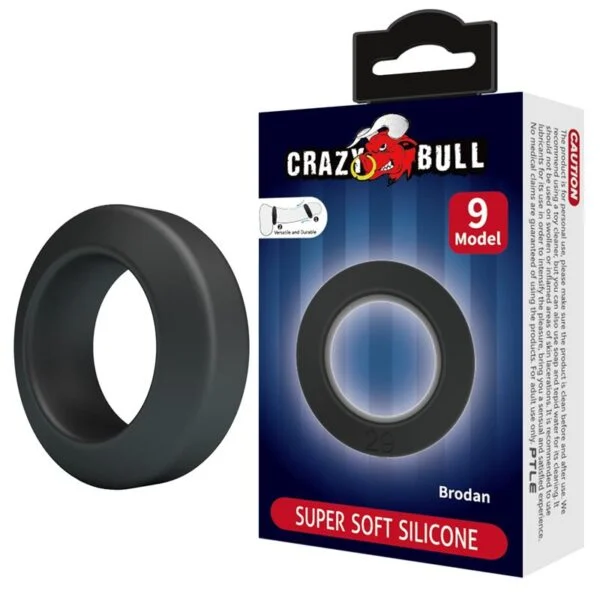 Crazy BullBrodan Cock Ring Silicone Mod 9₹599View product
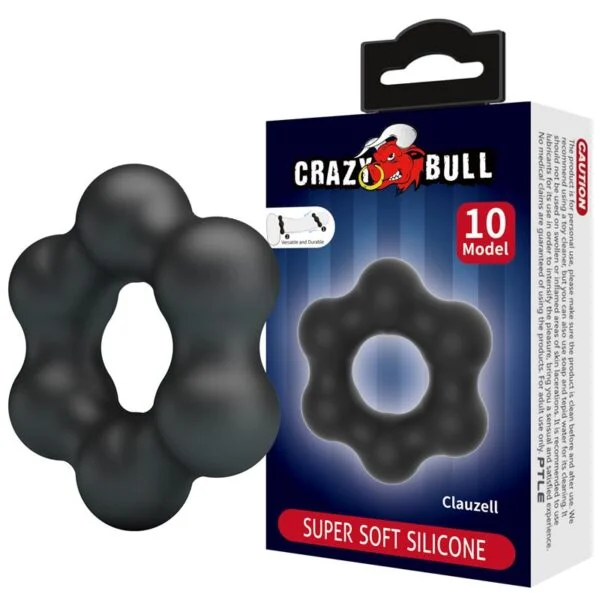 Crazy BullClauzell Cock Ring Silicone Mod 10₹599View product
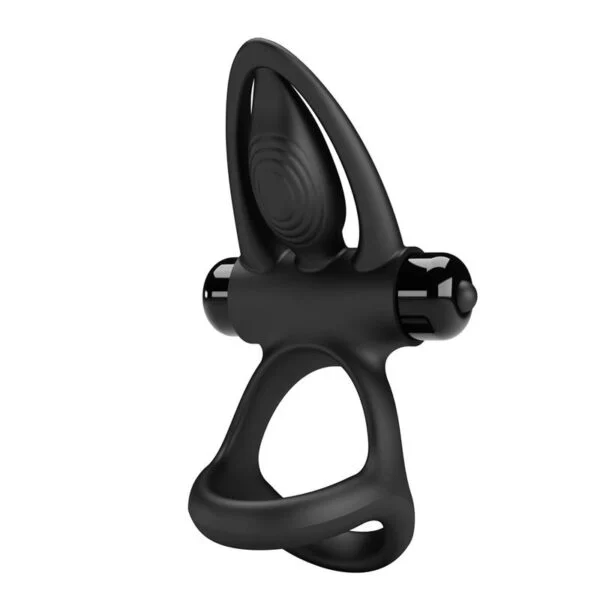 Pretty LoveCock Ring with Vibration₹1,599View product
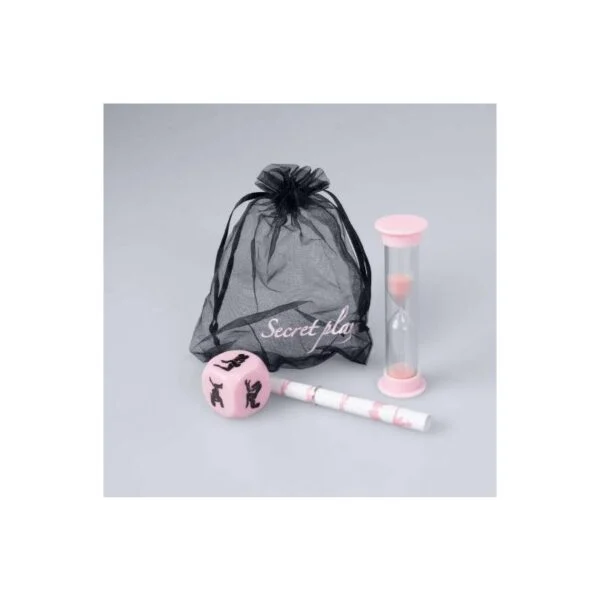 Secret PlayCouples Game Cronomasutra Heterosexual₹499View product
 Beast RingsDouble Ring Silicone 37/45 mm₹699View product
 IntoYou App SeriesFranky Biting and Rotating Ball Vibrator with App₹5,299View product
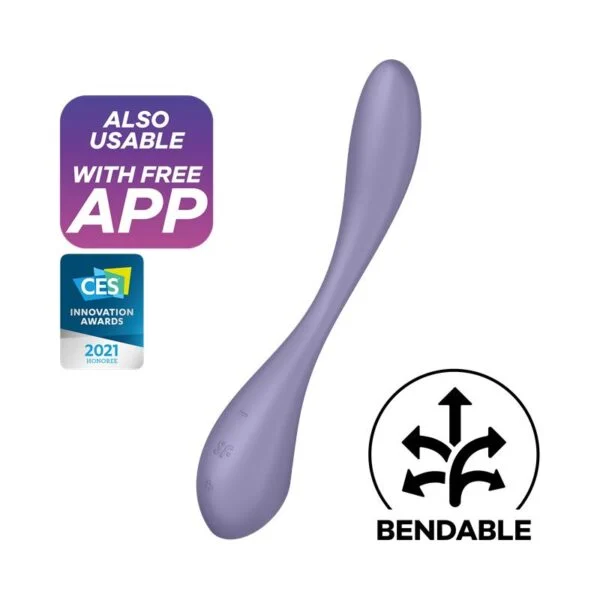 SatisfyerG-Spot Flex 5+ Multi Vibrator with Satisfyer Connect APP Lilac₹4,999View product
When to get outside help
See a doctor if either partner’s desire drops suddenly, if there is pain, or if there are erection or arousal difficulties that do not settle. A couples therapist or a qualified sex therapist can help when talking keeps turning into fights, or when resentment has built up on either side. Asking for help early is a sign of a relationship worth protecting.
Related: if the hardest part is starting the conversation, read how to talk about sex with your partner.
When lower desire comes with menopause, read our guide to sex toys and menopause for practical comfort tips.
Frequently asked questions
Is it normal for couples to have different sex drives?
Yes. It is one of the most common issues couples face, and desire naturally changes with stress, sleep, health and life stages.
How often should a couple be intimate?
There is no correct number. The right frequency is whatever both partners feel good about, and that can change over time.
Should we see a doctor about low libido?
If desire drops suddenly, if there is pain, or if it is causing distress, a doctor can check for medical causes such as medicines, hormones or other health issues.