“Edging” is one of those words people search quietly, late at night, after hearing it in a web series or a group chat. The idea is simple. You build arousal until you are close to orgasm, ease off before you get there, let things settle a little, and then build up again. You might repeat that cycle two, three or several times before you finally let go, or decide not to at all.
It is not a new trend. Sex therapists have used a version of it, the “stop-start” exercise, for decades. Here is what edging actually is, why adults try it, how to begin without making it a chore, and the point at which a doctor is a better idea than a technique.
Edging meaning, in one paragraph
Edging (also called peaking, surfing or orgasm control) means deliberately approaching the “point of no return” and stepping back from it. The “edge” is that moment just before climax when the body would carry on by itself. Edging teaches you to notice the moments before it, so you can choose what happens next. It works for any body and any gender, alone or with a partner. Our glossary entry on edging has the one-line version.
Where the idea comes from
In 1956 an American urologist, James Semans, described a “stop-start” method for men who climaxed sooner than they wanted: stimulation, a pause when close, then stimulation again. Masters and Johnson later added a gentle “squeeze” variation. Modern sex therapists still use these exercises as part of wider treatment, and many couples have adopted the same idea simply for pleasure. Edging is that therapy exercise, taken out of the clinic and made playful.
Why people try it
- Better body awareness. You learn what your own build-up feels like, step by step. That alone helps many people feel more relaxed and in control.
- Longer, slower intimacy. Instead of a rush to the finish, the whole experience stretches out. Couples often say it makes them focus on each other rather than on the clock.
- A more intense finish for some. Many people report that a climax after a few edges feels stronger. Not everyone does, and that is fine.
- Mindfulness without the incense. Paying close attention to breath and sensation is a kind of meditation. For some, it is a calming end to a stressful week.
What edging is not: a cure, a medical treatment or a test you can fail. Some days you will go over the edge earlier than you meant to. That is part of learning, not a mistake.
The arousal scale: the one tool you need
Most people find edging easier with a simple 1-to-10 scale in mind. You are not trying to hit exact numbers; it is just a way to notice where you are.
| Level | What it feels like | What to do |
|---|---|---|
| 1 to 3 | Relaxed, curious, warming up | Take your time; slow touch, slow breathing |
| 4 to 6 | Clearly aroused, breathing faster | Keep going; notice what raises or lowers the feeling |
| 7 to 8 | Close, but still in control | This is the edge zone: slow down or pause here |
| 9 | Very close, hard to stop | Stop completely, breathe out slowly, relax your pelvic muscles |
| 10 | The point of no return | No stopping now; enjoy it and try again another day |
How to try edging on your own, step by step
- Pick a calm time. In a shared flat or a joint family home, privacy matters more than technique. A locked door and 20 unhurried minutes beat a rushed five. Our guide to quiet toys for shared homes helps if noise worries you.
- Start slowly. Spend longer than usual at the lower levels. Notice your breathing and where you feel tension.
- Pause at 7 or 8. Stop or lighten touch. Breathe out slowly through your mouth and let your thighs, stomach and pelvic floor relax.
- Wait until you drop to about 5. This usually takes from a few seconds to a minute.
- Build up again. Repeat two or three times the first few sessions. There is no target number.
- Finish however you like. Climax, or simply stop. Both are fine.
A little lube makes longer sessions far more comfortable; our guide to what is in water-based lube explains what to look for on the label.
Edging as a couple
With a partner, edging becomes a game of trust and communication. One partner is usually “in charge” of the pace while the other simply says where they are.
- Agree a signal before you start. A word, a number (“eight!”) or a tap on the arm. It is much easier to agree this over chai than in the moment.
- Swap roles. Take turns being the one who sets the pace.
- Keep it kind. If one of you goes over the edge early, laugh about it. Pressure is the fastest way to spoil the mood.
- Talk afterwards. What felt good? What would you change? If starting that conversation feels awkward, our guide to talking about sex with your partner has scripts that help.
Can toys help?
They can, mostly because they make the pace easy to control. A vibrator with many speed settings lets you step down a level instead of stopping completely. A stroker or sleeve gives steady, repeatable sensation, which makes it easier to notice small changes. For couples, a vibrating ring or a remote-controlled toy hands the pace to the other partner, which is half the fun. Look for:
- Several speeds or patterns, with simple buttons you can find without looking.
- Body-safe silicone and a rechargeable battery (no running out mid-session).
- A quiet motor if you share walls with family.
Our overview of sex toys in India explains every type, and toys under ₹1,000 is a gentle place to start. Men who want a stroker can browse the for him collection.
Is edging safe?
For healthy adults, edging is generally considered safe. A few honest notes:
- Some people with a penis feel a dull ache in the testicles after a long session without climax. It is temporary and passes on its own; if it does not, or if it is severe, see a doctor.
- Long sessions can cause soreness from friction. Use lube, and stop if anything hurts.
- Edging should never become a source of stress. If it does, take a break.
When to see a doctor instead
If you regularly climax much sooner than you want, find it hard to climax at all, or have pain during or after sex, speak to a doctor. A urologist, gynaecologist or qualified sexologist can check for causes that a technique cannot fix. Edging can sit alongside proper care; it is not a replacement for it. Pelvic floor exercises can also help body awareness; see our routine for Kegel exercises for men, and our article on masturbation myths for the facts behind common worries.
Toys that make pacing easier
 Pretty LoveAdrien Penis Ring₹1,499View product
 BaileBaile Vibe Rosa₹799View product
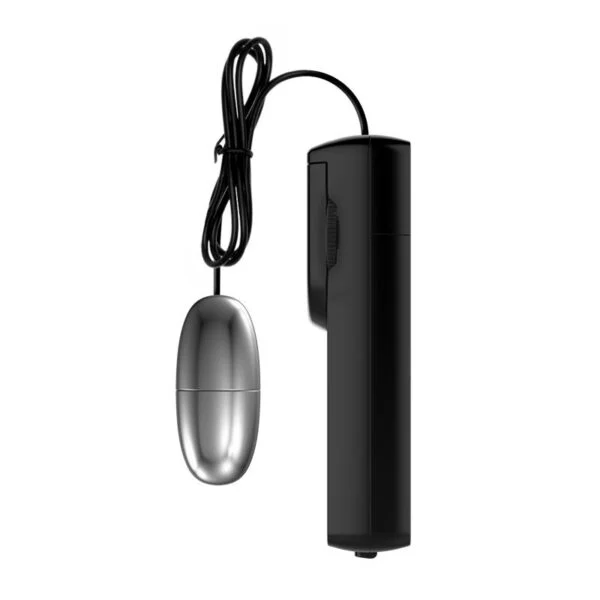 BaileBaile Vibrating Egg with Remote Control₹299View product
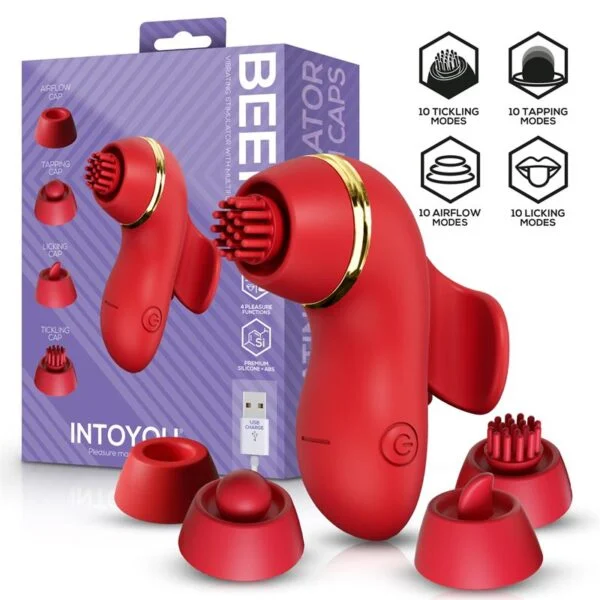 IntoyouBeeny Stimulator with 4 Caps, Suction, Tapping, Tickling and Licking₹2,399View product
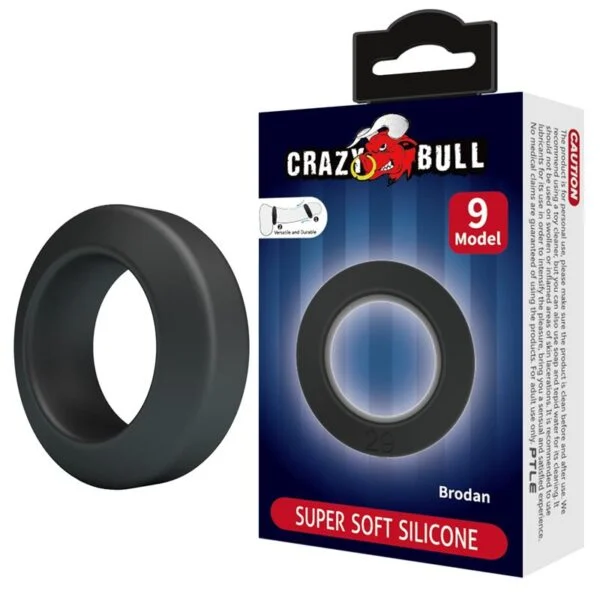 Crazy BullBrodan Cock Ring Silicone Mod 9₹599View product
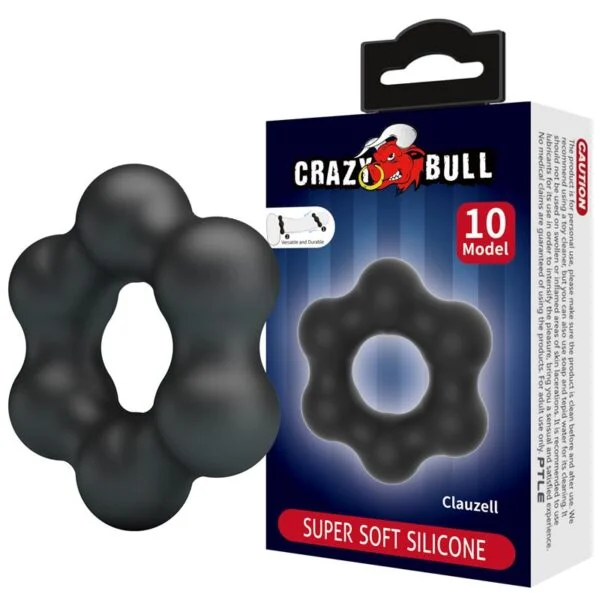 Crazy BullClauzell Cock Ring Silicone Mod 10₹599View product
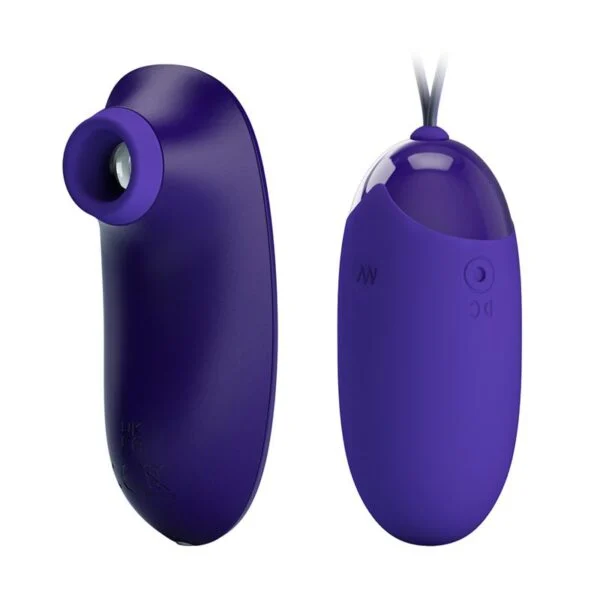 Pretty LoveClitoris Sucker and Egg Vibrator₹2,599View product
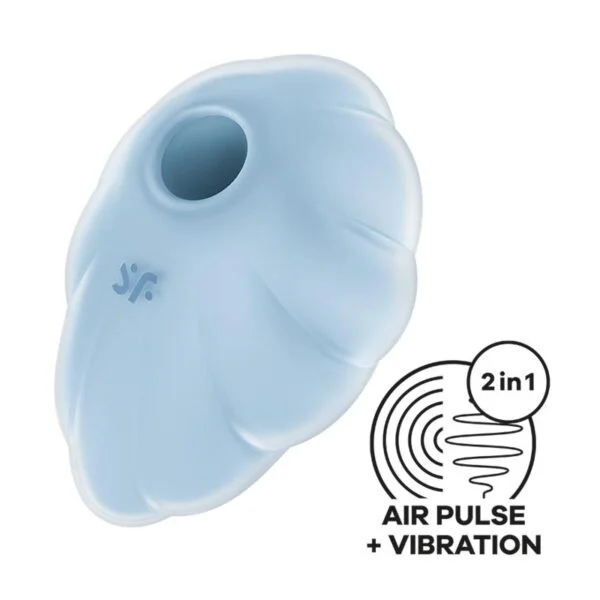 SatisfyerCloud Dancer Clit Sucker and Vibe Blue₹4,099View product
Every LustSutra order ships from India in a plain, unbranded box, with cash on delivery available. See how discreet delivery works.
Frequently asked questions
What does edging mean?
Edging means building arousal until you are close to orgasm, pausing or slowing down before you reach it, and then building up again. It is also called peaking or orgasm control.
Is edging bad for you?
For healthy adults it is generally considered safe. Some people feel temporary discomfort after a long session without climax, and friction can cause soreness, so use lube and stop if anything hurts. See a doctor if pain does not pass.
Can edging help me last longer?
The stop-start exercise that edging is based on has long been used by sex therapists, and many people find it improves control and body awareness. It is not a medical treatment; if early climax worries you regularly, speak to a urologist or sexologist.
Can women try edging?
Yes. Edging works for any body and any gender, alone or with a partner. A vibrator with several speeds makes it easy to step the intensity up and down.