Kegel exercises strengthen the pelvic floor, the group of muscles that supports the bladder, uterus and bowel. They take only a few minutes a day, need no equipment and can be done anywhere, from your office chair to a traffic jam. Here is a simple four-week plan to get started.
Quick answer: how to do Kegel exercises for women. Find the muscles you would use to stop passing wind and urine at the same time, squeeze and lift them for 3 seconds, then relax fully for 3 seconds. Repeat 10 times, two or three times a day, and build up to 10-second holds over four weeks. Keep your stomach, thighs and buttocks relaxed and breathe normally.
Why the pelvic floor matters
Strong, flexible pelvic floor muscles help with bladder control, support your body after pregnancy and as you age, and many women say regular practice makes them more aware of their body and sensations. Pregnancy, childbirth, ageing, long periods of sitting and chronic coughing can all weaken these muscles over time.
Kegels are not a cure for any medical condition. If you have leakage, pain or heaviness in the pelvis, see a gynaecologist or a women’s health physiotherapist. Mayo Clinic has a clear how-to guide on Kegel exercises if you want more background.
Step 1: Find the right muscles
Imagine you are trying to stop yourself from passing wind and from passing urine at the same time. The gentle lifting and squeezing you feel inside is your pelvic floor.
- Keep your stomach, thighs and buttocks relaxed. Only the muscles inside should work.
- Breathe normally. Holding your breath is the most common mistake.
- Do not practise by stopping your urine flow regularly. It can be used once to identify the muscles, but doing it often can interfere with emptying your bladder.
Step 2: The basic exercise
- Lie down or sit comfortably.
- Squeeze and lift the pelvic floor muscles and hold for 3 seconds.
- Relax completely for 3 seconds. The relaxing part matters as much as the squeeze.
- Repeat 10 times. That is one set.
Your 4-week plan
| Week | Hold | Rest | Reps × sets a day | Position |
|---|---|---|---|---|
| 1 | 3 seconds | 3 seconds | 10 × 2 | Lying down |
| 2 | 5 seconds | 5 seconds | 10 × 3 | Lying down or sitting |
| 3 | 7 seconds | 7 seconds | 10 × 3 | Sitting |
| 4 | 10 seconds | 10 seconds | 10 × 3, plus 10 quick squeezes | Sitting or standing |
Quick squeezes are short, one-second contractions that train the muscles to react fast, for example when you sneeze or laugh.
Tips to make it a habit
- Attach it to something you already do: morning chai, brushing your teeth, the first ten minutes of your commute.
- Set a phone reminder for the first two weeks.
- Be patient. Most people need several weeks of regular practice to notice a difference.
- Do not overdo it. More is not better. Tired muscles cannot relax properly.
Signs you might be doing it wrong
- Your stomach, thighs or buttocks tighten along with the squeeze.
- You hold your breath or push down instead of lifting up.
- You feel a dull ache or pain after a session.
- You cannot fully relax between squeezes.
If any of these sound familiar, go back to week one, slow down and focus on a gentle lift and a full release. A women’s health physiotherapist can also check your technique in one session.
Use it in daily life: “the knack”
Once the basic exercise feels natural, try a quick pelvic floor squeeze just before you cough, sneeze, laugh hard or lift something heavy, like a bucket of water or a shopping bag. Physiotherapists sometimes call this “the knack”. Over time it becomes automatic and supports your bladder at exactly the moments it needs it.
Do not forget to relax
A healthy pelvic floor is not just strong; it is also able to relax fully. Some women, especially those with pelvic pain or pain during sex, have muscles that are too tight rather than too weak, and Kegels can make that worse. If you feel tightness, pain or discomfort, stop the squeezing exercises and see a specialist, who may suggest relaxation and breathing techniques instead. Slow belly breathing, where you let your stomach and pelvic floor soften on the in-breath, is a good place to start.
Can Kegel balls help?
Some women like to add weighted Kegel balls or love eggs once they are comfortable with the basic exercise, because the weight gives the muscles something to hold. Start with the lightest weight, use plenty of water-based lubricant and keep sessions short. Our guide to Kegel balls: benefits and how to use them explains the details.
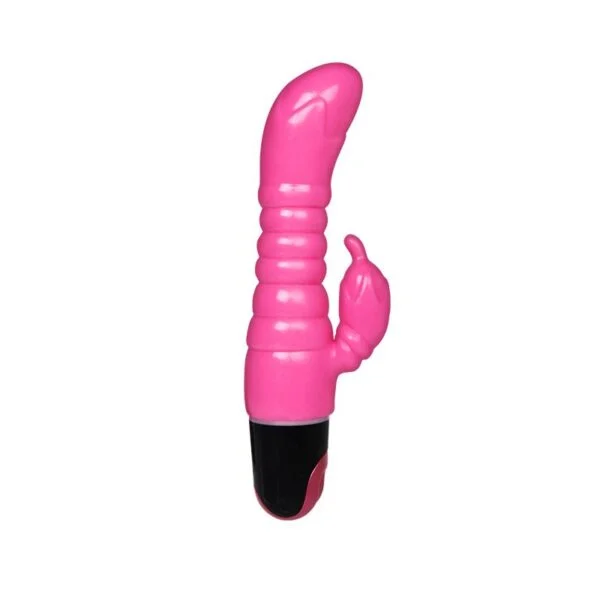 BaileBaile Vibe Rosa₹799View product
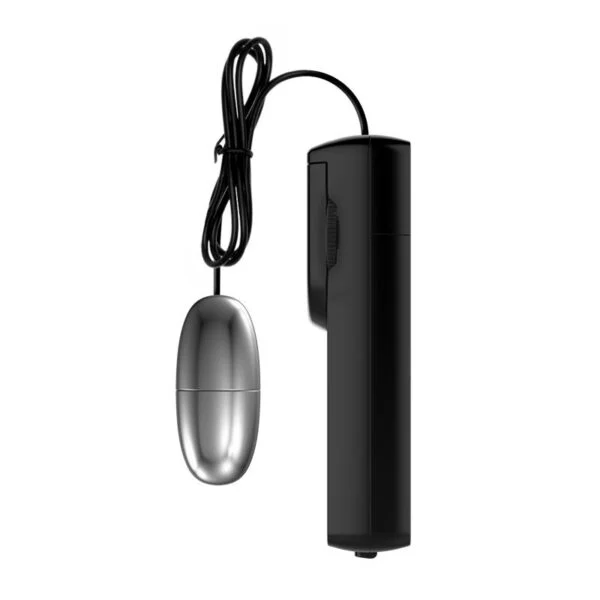 BaileBaile Vibrating Egg with Remote Control₹299View product
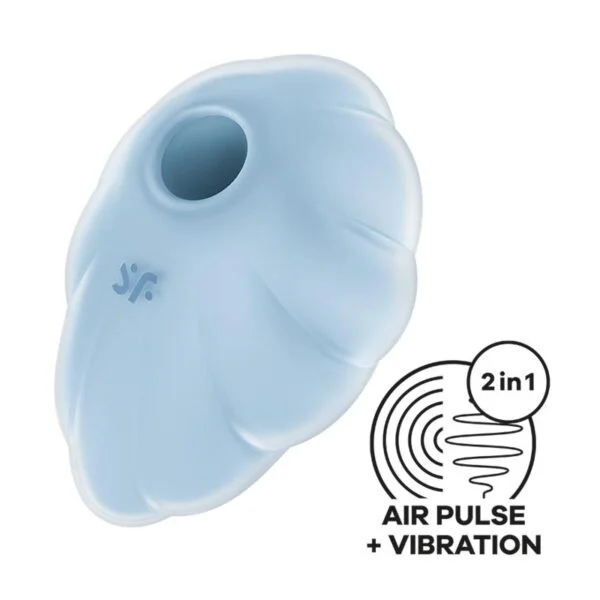 SatisfyerCloud Dancer Clit Sucker and Vibe Blue₹4,099View product
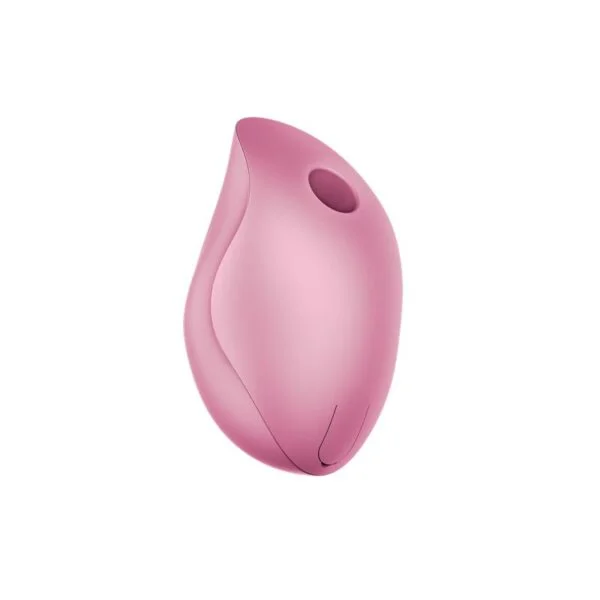 Fun FactoryDelicia Air Pulse Vibrator Rose₹2,999View product
When to see a doctor
Talk to a doctor or physiotherapist if you feel pain during the exercises, if you have pelvic pain or heaviness, if leakage does not improve after a few months, or if you have recently given birth or had pelvic surgery. A specialist can check that you are using the right muscles and give you a plan that suits your body.
For gentle comfort products, browse our lubes and intimate care. Everything ships in a plain box with cash on delivery.
Frequently asked questions
How long until I see results from Kegels?
Many people need several weeks of regular practice before they notice a change. Consistency matters more than intensity.
Can I do Kegels during periods or pregnancy?
Gentle Kegels are generally considered fine for most people, but check with your doctor during pregnancy or if you have any pain.
Should men do Kegels too?
Yes. Men also have a pelvic floor, and the same basic exercise works for them.