
Ask a room of married friends whether intimacy is “equal” in their relationship and most will say yes. Ask them privately who usually finishes, and the answer is often different. That difference has a name: the orgasm gap.
It is not a sign that anyone is broken, selfish or doing it wrong. It is mostly the result of what we were (and were not) taught. The good part is that it is one of the easiest intimacy problems to improve, because the fixes are about attention, time and talking, not about special skills.
What the orgasm gap means
The orgasm gap is the difference between how often men and women reach orgasm during sex with a partner. In heterosexual couples, men usually reach it far more often. The gap is about partnered sex: many women who rarely climax with a partner do so easily on their own, which tells us the body is not the problem. The situation is.
What the research found
The figure most often quoted comes from a 2018 study in the Archives of Sexual Behavior, which surveyed more than 52,000 adults in the United States. Among heterosexual men, 95% said they usually or always reached orgasm when intimate with a partner. Among heterosexual women, the figure was 65%. Lesbian women (86%) were much closer to the men, which suggests the gap is about what happens during sex, not about women’s bodies.
The same study looked at what was different for women who climaxed more often. They were more likely to ask for what they wanted, to have longer encounters, to include deep kissing and touch with hands, and to feel satisfied with the relationship overall. None of that needs equipment; most of it needs conversation.
There is no large Indian study of this kind yet, so treat the numbers as a guide, not a measurement of your own home. Still, the pattern is easy to recognise for many Indian couples.
Why it happens, especially in India
- The “main event” idea. Many of us grew up thinking intercourse is sex and everything else is “before”. For many women, intercourse alone is not what leads to orgasm, so a script built around it leaves them out.
- Hurry. Joint families, thin walls, early alarms and shared rooms push couples to be quick. Arousal for many women builds more slowly, and rushing cuts it short.
- Silence. Very few Indian couples talk openly about what feels good. Without words, partners guess, and guesses are often wrong.
- Shame and pressure. When pleasure feels “not for good girls”, or when finishing becomes a test, the mind gets in the way of the body.
- Little sex education. School taught reproduction, if anything. Basic anatomy, such as where the clitoris is and why it matters, is often learned late or never.
What gets in the way, and what helps
| What gets in the way | What helps instead |
|---|---|
| Sex ends when he finishes | Agree that the evening ends when you both feel done, not at one partner’s finish |
| Five minutes from start to end | Give it time: slow kissing and touch first, with no fixed order |
| Guessing what feels good | Ask simple questions: softer or firmer, slower or faster, here or there |
| Only one kind of touch | Use hands, mouths and, if you like, a small toy alongside intercourse |
| Worry about being heard | Choose a time when the house is quiet, or a quieter toy and a fan on |
| Pressure to “perform” | Make pleasure the aim, not the orgasm itself; it often follows once pressure drops |
Five steps to close the gap
- Talk outside the bedroom. Bring it up on a walk or over chai, not in the middle of intimacy. Start with “I’d like us both to enjoy this more”, not “you never”. Our guide on how to talk about sex with your partner has ready-made lines.
- Learn on your own first. It is much easier to tell a partner what you like when you know it yourself. Solo time is not a betrayal of the relationship; it is research. Notice what kind of touch, pace and pressure you enjoy, and how long it takes when nobody is in a hurry. That knowledge is what you bring back to your partner.
- Swap the order. Some couples find it helps if the partner who climaxes less often goes first, so nobody is rushing at the end.
- Add the touch that is missing. For many women, outside (clitoral) stimulation matters more than penetration. Hands work, and so do small toys made for this, used during sex rather than instead of it.
- Check in kindly afterwards. One thing that felt good, one thing to try next time. Keep it light; this is a long conversation, not a single fix.
Can a toy help?
A toy is not a replacement for a partner; it is a tool both of you can hold. Small external toys are popular with couples because they add the kind of touch many women need without changing much else. A bullet such as the Jibby’s Easy Quick bullet (₹999) fits between bodies, and a vibrating ring like the Passionate Figgy ring (₹1,399) adds vibration during intercourse. Air-pulse toys work differently, with gentle pulses of air; our guide to air-pulse toys explains how. You can see the full range for two in couples toys.
 Pretty LoveAdrien Penis Ring₹1,499View product
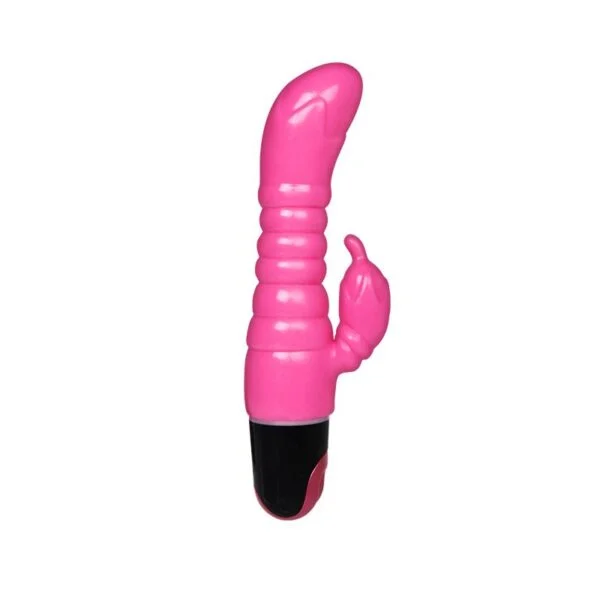 BaileBaile Vibe Rosa₹799View product
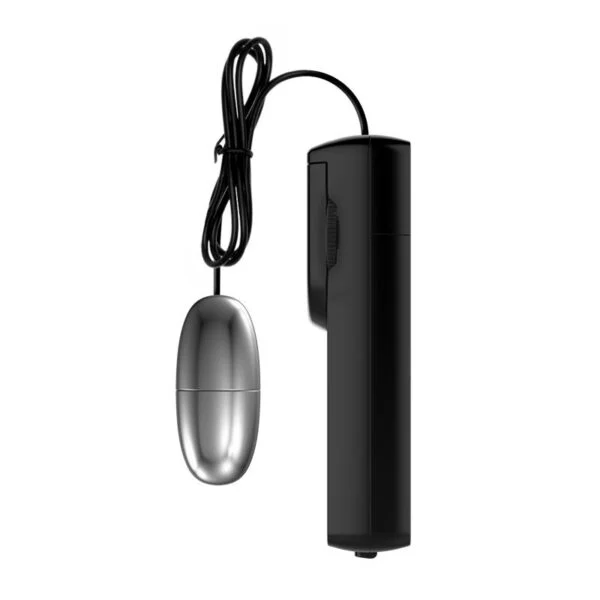 BaileBaile Vibrating Egg with Remote Control₹299View product
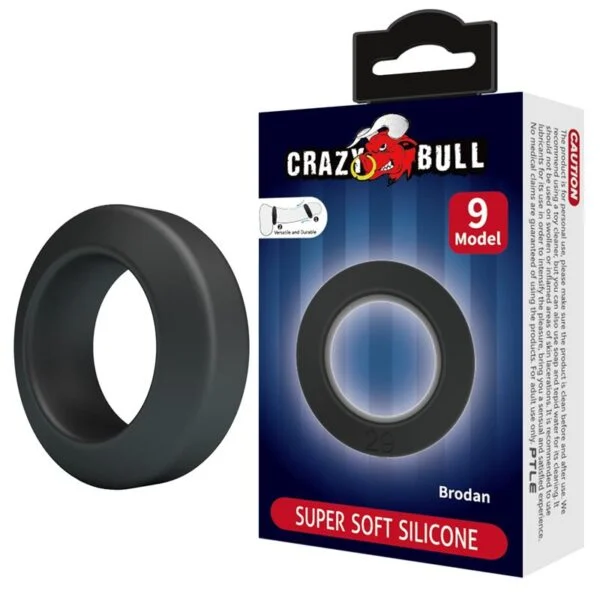 Crazy BullBrodan Cock Ring Silicone Mod 9₹599View product
 Crazy BullClauzell Cock Ring Silicone Mod 10₹599View product
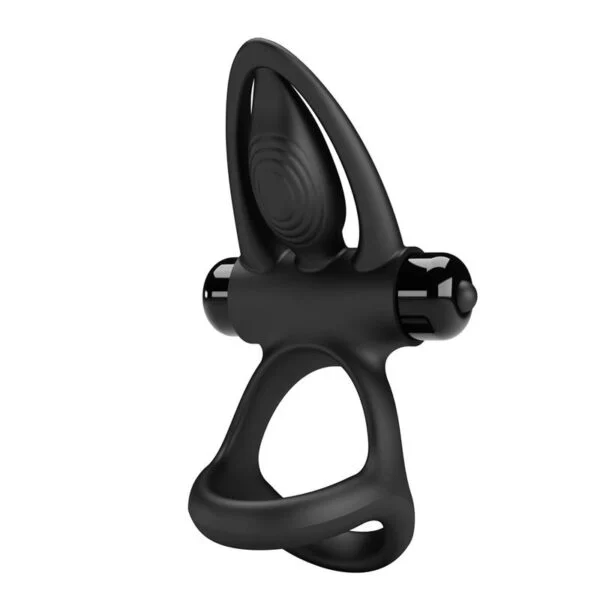 Pretty LoveCock Ring with Vibration₹1,599View product
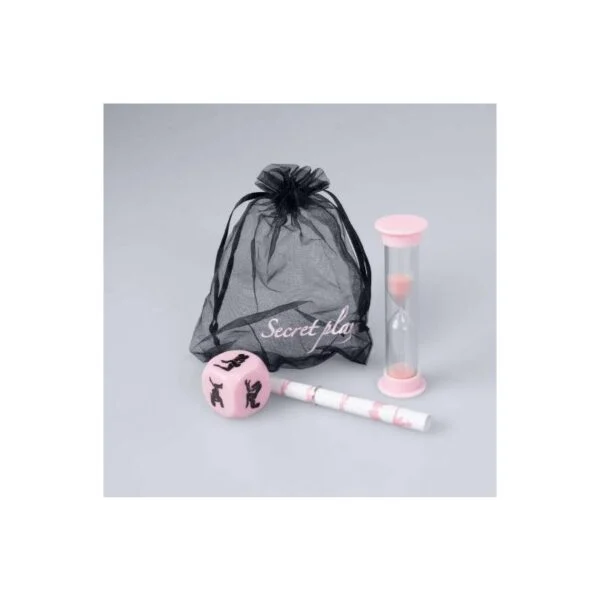 Secret PlayCouples Game Cronomasutra Heterosexual₹499View product
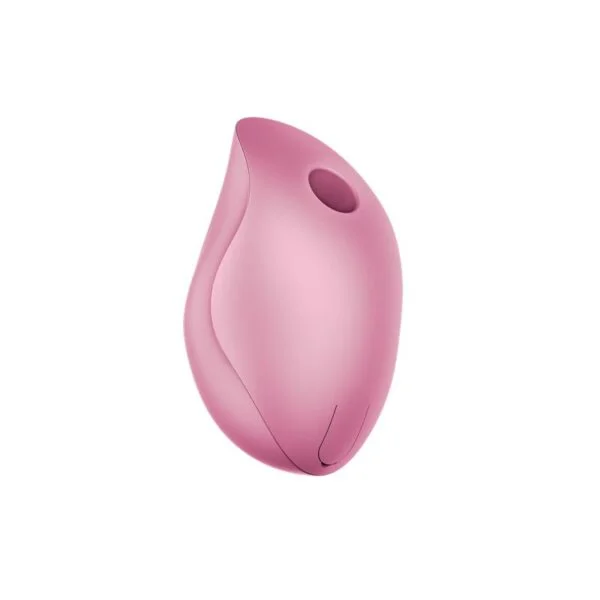 Fun FactoryDelicia Air Pulse Vibrator Rose₹2,999View product
Every order of sex toys in India from LustSutra comes in a plain box with no product names on the label, with free delivery and cash on delivery.
When to see a doctor
If orgasm has never happened in any situation, if there is pain during or after sex, or if desire or response has changed suddenly, speak to a gynaecologist or a qualified sex therapist. Some medicines, including certain antidepressants, can affect orgasm, and a doctor can help with that. These are common, treatable concerns, and asking about them is part of looking after your health.
Frequently asked questions
Is the orgasm gap a medical problem?
Usually not. For most couples it comes from rushing, silence and a narrow idea of what sex is. If there is pain, or orgasm has never happened in any situation, see a doctor.
Does it mean my partner is not attracted to me?
No. Attraction and orgasm are different things. A woman can be very attracted to her partner and still not climax if the touch she needs is missing.
Do toys make a partner feel replaced?
They do not have to. Introduce a toy as something to share, let your partner hold it, and keep the focus on the two of you.
How long does it take to see a change?
Some couples notice a difference within a few weeks of talking openly and slowing down. Think in months, not one night, and keep it pressure-free.