Short answer: a toy that is cleaned well and used only by you carries a low risk of infection. The risks come from sharing toys without washing them or covering them with a new condom, from porous materials that are hard to clean, and from moving a toy from the anus to the vagina without washing it in between.
Hygiene is one of the biggest worries for first-time buyers. Here is what is known, from public health sources, and the simple habits that keep the risk low. It is part of our myths and facts series.
Where the myth comes from
Many people think of toys as “dirty” in themselves, partly because sex is so often described that way. Others had thrush or irritation after trying a new toy or lube and assumed the toy was to blame. Without clear information, the idea that any toy carries a risk of infection is easy to believe.
What is actually true
The NHS says chlamydia can spread through vaginal fluid or semen that gets onto sex toys, and advises not sharing toys, or washing them and covering them with a new condom before anyone else uses them (NHS on chlamydia). It lists sharing sex toys as one of the ways trichomoniasis is passed on (NHS on trichomoniasis).
The ISSM explains that vaginal yeast infections usually have non-sexual causes, but changes from lubricants and other sexual aids can play a part, and it suggests water-based lube over silicone for people prone to them (ISSM on yeast infections).
So the toy itself is rarely the issue. How it is shared, cleaned and stored is what matters.
Sources: NHS: Chlamydia; NHS: Trichomoniasis; ISSM: Why do I have a yeast infection after sex?.
What to do instead
- Wash before and after every use with mild soap and warm water or a toy cleaner; our cleaning guide covers each material.
- Put a new condom on a shared toy each time it passes to another person.
- Never move a toy from the anus to the vagina without washing it or changing the condom.
- Dry it fully and store it in a clean pouch, away from other toys.
- Choose non-porous materials such as silicone, glass or steel, which clean thoroughly.
Toy cleaner and water-based lubes
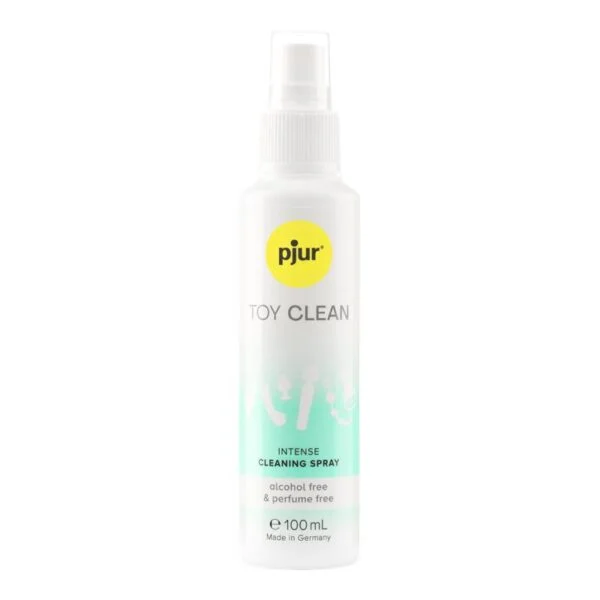 pjurPjur Toy Clean Spray 100 ml₹1,099View product
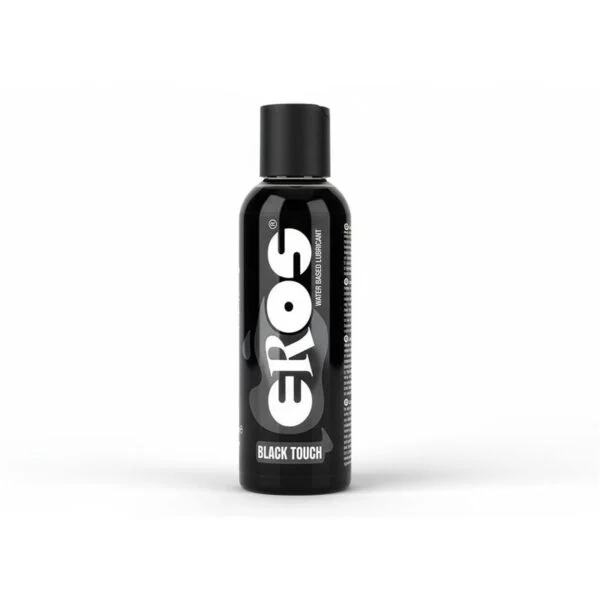 EROSWaterbased Lubricant Black 150 ml₹799View product
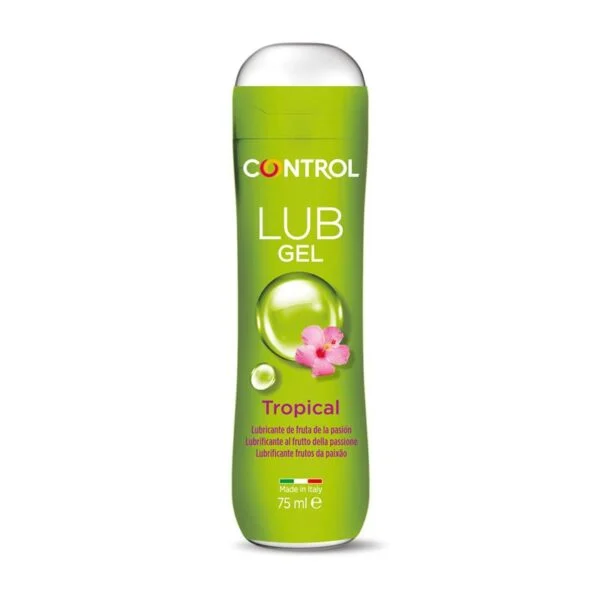 ControlTropical Lubricant 75 ml₹1,299View product
 TENGALubrican Lotion Cool water-based 170 ml₹2,199View product
See a doctor if…
- you notice unusual discharge, a strong smell, itching or burning
- you have sores, blisters or a rash in the genital area
- you have pain in the lower tummy or pain when you pee
- you think you may have been exposed to an STI, even without symptoms
If a toy or lube irritates your skin, our page on sex toy allergies explains what to check. For everything else, start with our guide to sex toys in India.
Keep reading
Frequently asked questions
Can I get an STI from a sex toy?
Yes, if a toy is shared without washing it or covering it with a new condom. The NHS lists chlamydia and trichomoniasis among infections that can pass this way.
Is soap and water enough to clean a toy?
For non-porous toys such as silicone, glass and steel, mild soap and warm water is the usual advice. Follow the maker’s instructions for anything with a motor.
Should I use a condom on my own toy?
It is not needed for a toy only you use, but it helps with porous toys and when moving between the anus and the vagina.
Can sex toys cause thrush?
Thrush usually has other causes, but lubes and other sexual aids can play a part for some people. A water-based, glycerin-free lube is a common choice if you are prone to it.
For adults 21 and over. This page is general information, not medical advice. Every order ships in a plain, unbranded box with free delivery and cash on delivery.