Most reactions linked to sex toys come from what is on or in them rather than the toy itself: latex, fragrance, glycerin, parabens, flavourings or nickel in metal parts. Signs include itching, redness, burning or a rash after contact. Stop using the product, rinse the area with plain water, and see a doctor if it does not settle.
Please note
This page is general information to help you choose products. It is not medical advice and cannot tell you what is causing a reaction; only a doctor can.
Common triggers and what to choose instead
| Trigger | Where you find it | Choose instead |
|---|---|---|
| Latex | Many condoms, some cheap rings and soft toys | Polyurethane or polyisoprene condoms; silicone, glass or steel toys |
| Fragrance | Scented lubes, massage oils, candles | Fragrance-free lube; patch-test scented products |
| Glycerin and sugars | Many water-based and flavoured lubes | Glycerin-free lube |
| Parabens | Preservatives in some lubes and creams | Paraben-free lube |
| Warming, cooling and tingling agents | Arousal gels, some lubes | A plain lube with a short ingredient list |
| Nickel | Plated metal parts, cheap clamps and chains | Medical-grade stainless steel, glass or silicone |
| Unknown soft plastics | Very cheap jelly or PVC toys | Phthalate-free, named body-safe materials |
How to patch-test a new product
- Put a small amount on the inside of your wrist or elbow.
- Leave it for 24 hours; do not wash it off unless it stings.
- If there is no redness, itching or swelling, try a small amount for real.
- Test one new product at a time, so you know which one caused a reaction.
Allergy or irritation?
Not every sore spot is an allergy. Friction from too little lube, a cleaner not rinsed off a toy, or a lube that does not suit your skin can all cause soreness. Using enough lube (see how to use lube) and rinsing toys after a toy cleaner helps. A pH-balanced lube is a gentle choice for internal use.
Condoms and a latex allergy
If latex is the problem, you do not have to give up condoms. Polyurethane and polyisoprene condoms are made without natural rubber latex and are widely sold in India. Check the packet for the words “latex-free”. Polyurethane condoms can also be used with oil-based products, unlike latex ones, but water-based lube suits both. Toys made of silicone, glass or steel contain no latex.
Materials that rarely cause problems
Platinum-cured silicone, borosilicate glass and medical-grade stainless steel are non-porous and contain few additives. Our body-safe materials guide explains each one, and are sex toys safe? covers safety in general.
See a doctor if
there is swelling, blistering, spreading hives, unusual discharge, pain, or a fever; if symptoms last more than two or three days; or if you are pregnant. Swelling of the face or lips, or difficulty breathing, needs emergency help straight away.
Gentle water-based lubes
Check every ingredient list against the triggers above; products change, and labels are the final word.
 LELOLELO F1L Water-Based Moisturiser 100 ml₹2,799View product
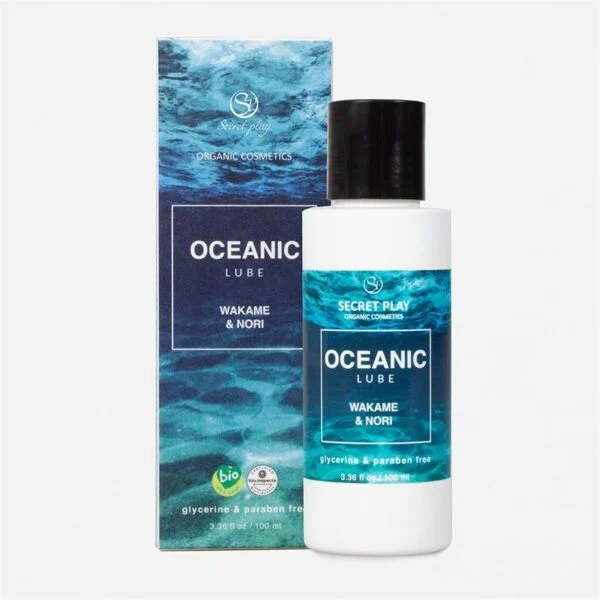 Secret PlayOceanic Wakame and Nori Organic Lubricant 100ml₹2,299View product
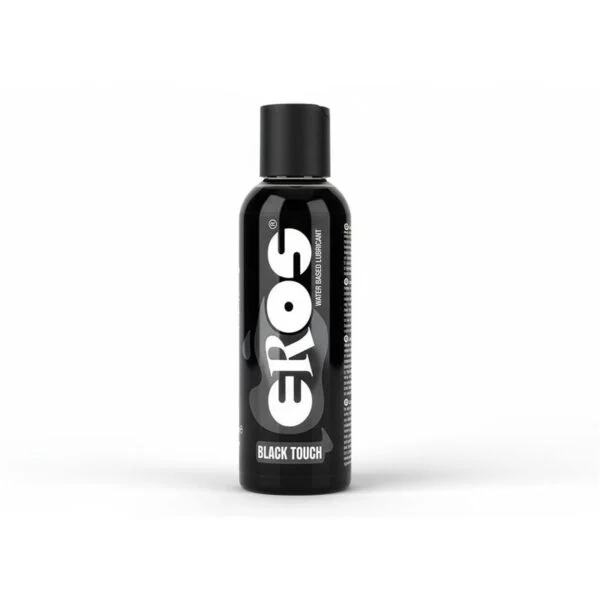 EROSWaterbased Lubricant Black 150 ml₹799View product
 TENGALubrican Lotion Cool water-based 170 ml₹2,199View product
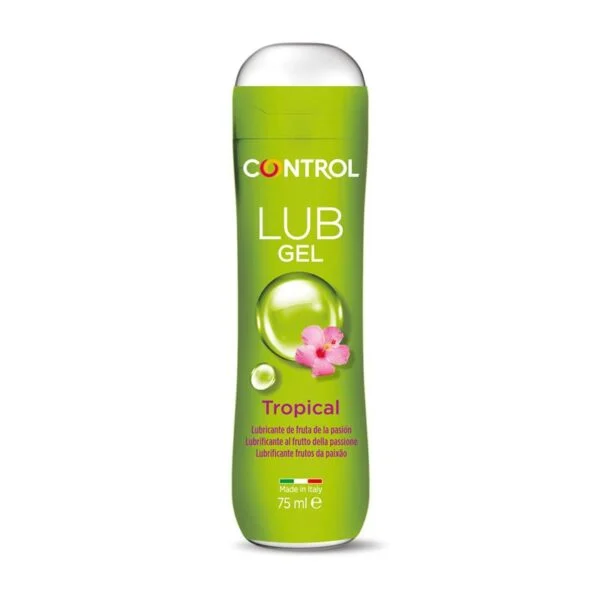 ControlTropical Lubricant 75 ml₹1,299View product
Keep reading
Frequently asked questions
Can you be allergic to a sex toy?
Reactions usually come from latex, nickel, fragrances, lube ingredients or unknown plastics rather than body-safe silicone, glass or steel.
What should I do if a lube makes me itch?
Stop using it and rinse with plain water. If it has not settled in a couple of days, or it gets worse, see a doctor.
Are silicone toys safe if I have a latex allergy?
Silicone is not latex. Check the product page for every material, including any coating or ring.
What is a patch test?
A small amount on the inside of your wrist or elbow, left for 24 hours, to check for redness or itching before real use.
Do you sell latex-free products?
Most of our toys are silicone, ABS, glass or steel. Each product page lists its materials.
For adults 21 and over. Every order ships in a plain, unbranded box with free delivery and cash on delivery.